
16 Dec Critical findings in case of suicide of prisoner on indefinite sentence: Jury find “despair and mental exhaustion” of now abolished sentence most significant factor
CONTENT WARNING: This article contains themes of self-harm and self-inflicted death.
A Coroner’s jury concluded on 10 December 2025 that a prisoner’s indefinite sentence “was likely the most significant factor contributing to the feelings of despair and mental exhaustion” that led to his suicide in July 2022.
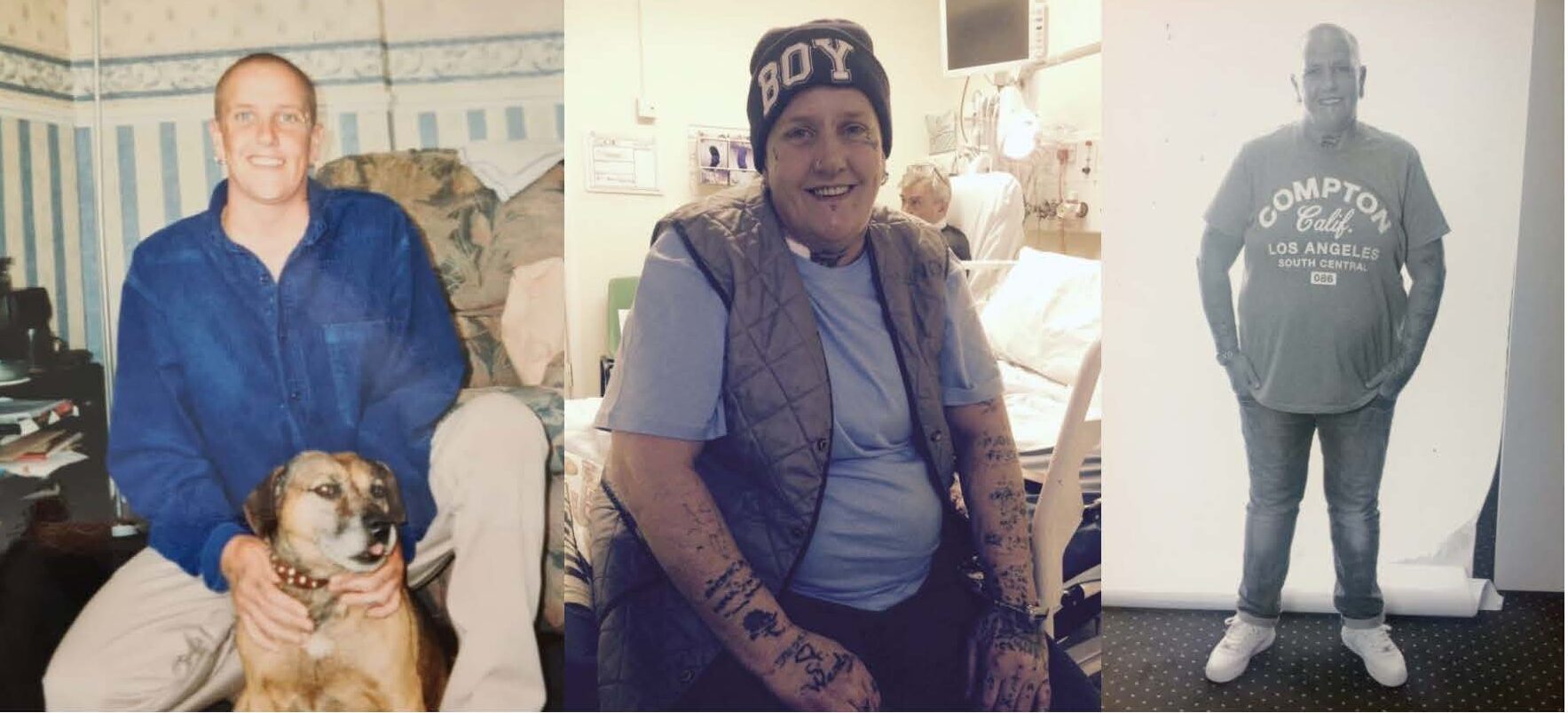
Taylor Atkinson had been given an IPP sentence in 2010, with a minimum term of just under four years, for aggravated burglary. At the time of his death, he had served almost nine years over his custodial term; and his hopes of at long last being on the path to release had been dashed. He bled to death in his cell from self-inflicted injuries despite being managed on the prison’s suicide monitoring (“ACCT”) system.
Unlike a normal sentence with a set release date, the IPP meant that at the end of his initial tariff, he had to persuade the parole board that he was suitable for release, meaning that he was not a threat to society or himself.
IPP sentences are a form of life sentence introduced in 2005 and quickly abolished in 2012. The sentences are now accepted to have been a major mistake, including by those who introduced them. The changes weren’t applied retrospectively, so thousands of people have stayed stuck on these indefinite sentences.
Taylor, who was a trans man, was held in HMP Eastwood Park, in South Gloucestershire; and is thought to have been the last remaining IPP prisoner in the women’s prison estate that had never been released.
Taylor was already the victim of significant trauma, including childhood rape. His family believe the IPP retraumatised him, trapping him in a cycle of hopelessness, unable properly to progress.
After a lot of work, in 2021, now eight years post tariff, a possible route to freedom was finally found, with him transferring within Eastwood Park to a unit (“Residential 7”) which was the closest equivalent to open conditions. From there Taylor could go on day release trips into the community, beginning to develop and test a release plan.
The day releases went extremely well but in May 2022, all this came crashing to a halt. The jury heard that an inexperienced officer and an ambiguous licence condition contributed to a misunderstanding whereby they lost each other. On return to the prison a senior officer, again unfamiliar with the details of Taylor’s case and what had happened, told Taylor he had to move, immediately, off Res 7, taking him off his path to release, whilst the matter was investigated. The jury found that the decision was “hasty, poorly communicated and made without due consideration of all the facts.”
In fact, an investigation into the detail of what had in fact happened on the release was never carried out. Taylor, however, was treated as having failed. He responded badly, and had to be restrained.
Taylor was now back at square one. He was repeatedly moved between wings with no real plan for how he could now get back on track to progress towards release. His despair grew increasingly obvious. Taylor had a long history of self-harming. Before May 2022, however, he had not done this for a long time. On 8 June 2022, however, he seriously self-harmed. He was managed on the prison’s suicide monitoring (“ACCT”) system only quickly to be taken off it.
He seriously self-harmed again on 4 July 2022. Again, he was placed on the ACCT. But on 9 July he did it for a third and final time. Many red flags had been raised. Some noted in the jury’s conclusion were that “he stated that he wanted to be removed from his ACCT so that he could kill himself without being found, had spoken about the afterlife, had stated that the only way out of HMP Eastwood Park was in a body bag that weekend, stated that he was envious of another prisoner who had recently died in custody, stated that he was never getting out and could not carry on and stated that he had lost hope after his move to residential 3.” Taylor told his partner, our client Samantha Faulder, about his plan to end his life. She raised her concerns with senior prison staff, but her warnings were not heeded. In evidence prison staff said they didn’t remember the conversations.
The inquest heard that in early 2022 the prison already had, and knew it had, a problem with properly implementing the ACCT process.
In early July 2022 another prisoner, Kay Melhuish, also tragically died in the prison, arising out of the same problems the prison had with the ACCT process. The inquest heard that when Taylor’s ACCT was reopened on 8 June and again on 4 July, the key documents were never completed. He never received a care plan and other mandatory structured tools for identifying and meeting his risk of suicide and self-harm were simply not done. None of the five ACCT reviews from 4 July until his death picked up that these key documents were blank. This meant that support actions were not identified and thought about. The section detailing support actions was signed off on every ACCT review after 24 May 2022 despite the section being left blank.
At the time of his death, Taylor was to be checked 4 times per hour under the ACCT measures. The inquest heard evidence that key ACCT checks, in the final hour of Taylor’s life, weren’t conducted adequately. The officer conducting those checks gave inconsistent accounts as to what Taylor was doing on the final check at 21:48, whether he was behind a privacy screen in the toilet area of his cell, or visible using the phone. However, CCTV of the 21:48 check played in Court showed that the officer did not even open the hatch to look inside Taylor’s cell.
The family’s solicitor, Nkiru Okafor of Deighton Pierce Glynn said, “Taylor’s family have had to fight for answers and the truth at every stage of the process, and it is a testament to their strength, determination and resilience that they have brought the issues in Taylor’s case to light, in particular, the IPP sentence, its torturous effects and inadequate care for prisoners who are at risk of serious harm.”
If you are feeling low, Samaritans are here – day or night, 365 days a year. You can call them for free on 116 123, email them at jo@samaritans.org, or visit www.samaritans.org to find your nearest branch.
Notes for media: Please refer to the Samaritans guide on reporting inquests: https://www.samaritans.org/about-samaritans/media-guidelines/guidance-reporting-inquests/
Notes to editors
- Taylor Atkinson’s family was represented by Nkiru Okafor and Yewande Oyekan of Deighton Pierce Glynn, and Nick Armstrong KC of Matrix Chambers.
- Other Interested Persons include the Ministry of Justice, Avon & Wiltshire Partnership NHS Trust and Practice Plus Group.
- For further details contact Nkiru Okafor on nokafor@dpglaw.co.uk.
- Coverage in Independent https://www.independent.co.uk/news/uk/crime/ipp-sentence-taylor-atkinson-eastwood-park-b2880351.html
Share this story


